
Articles
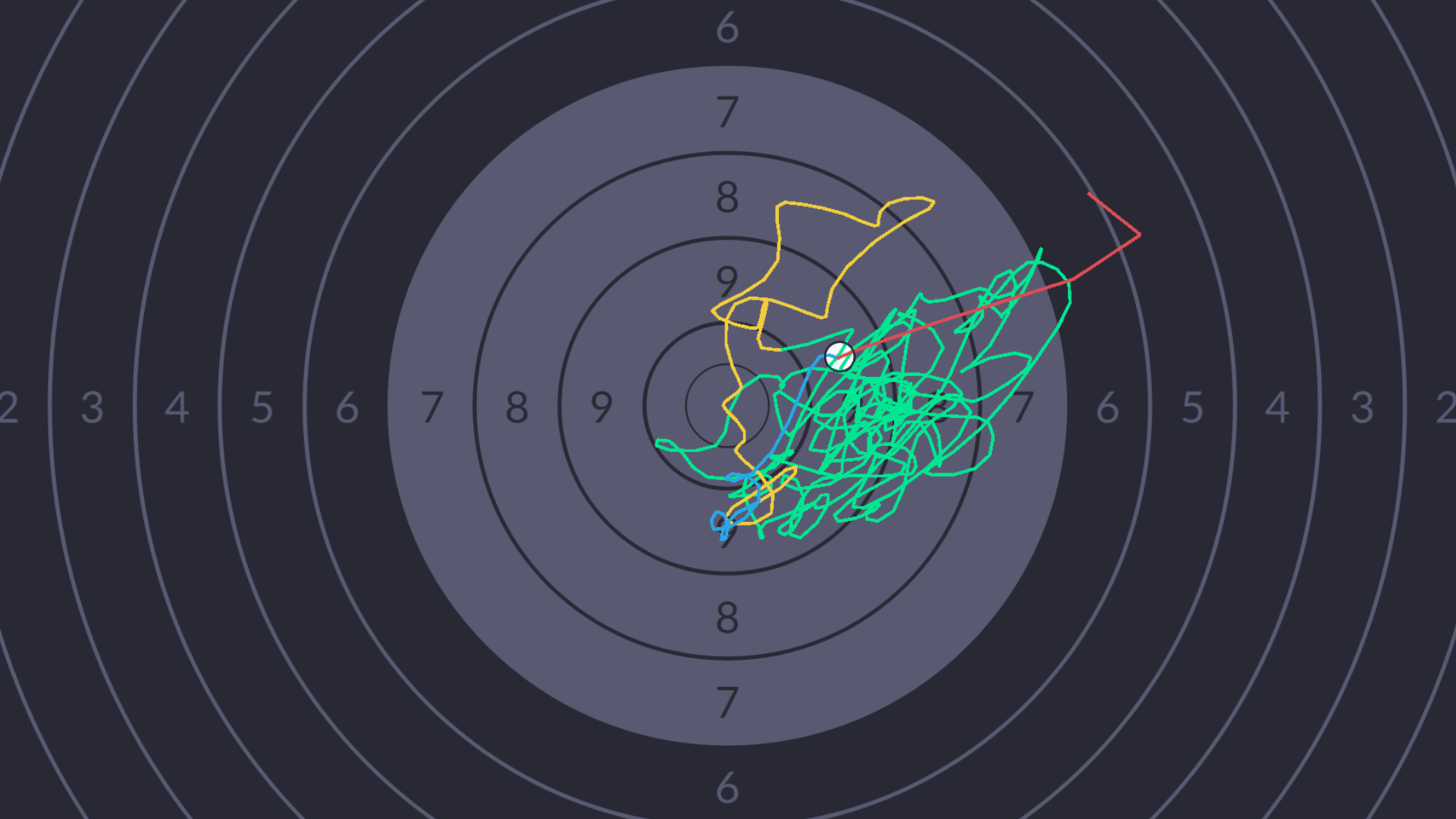
How to Read the SCATT Aiming Trace: Green, Yellow, Blue, and Red
The colors in a SCATT aiming trace show when movement happened before and after a shot. Learn what the green, yellow, blue, and red intervals represent, how to compare them across shots, and how to...
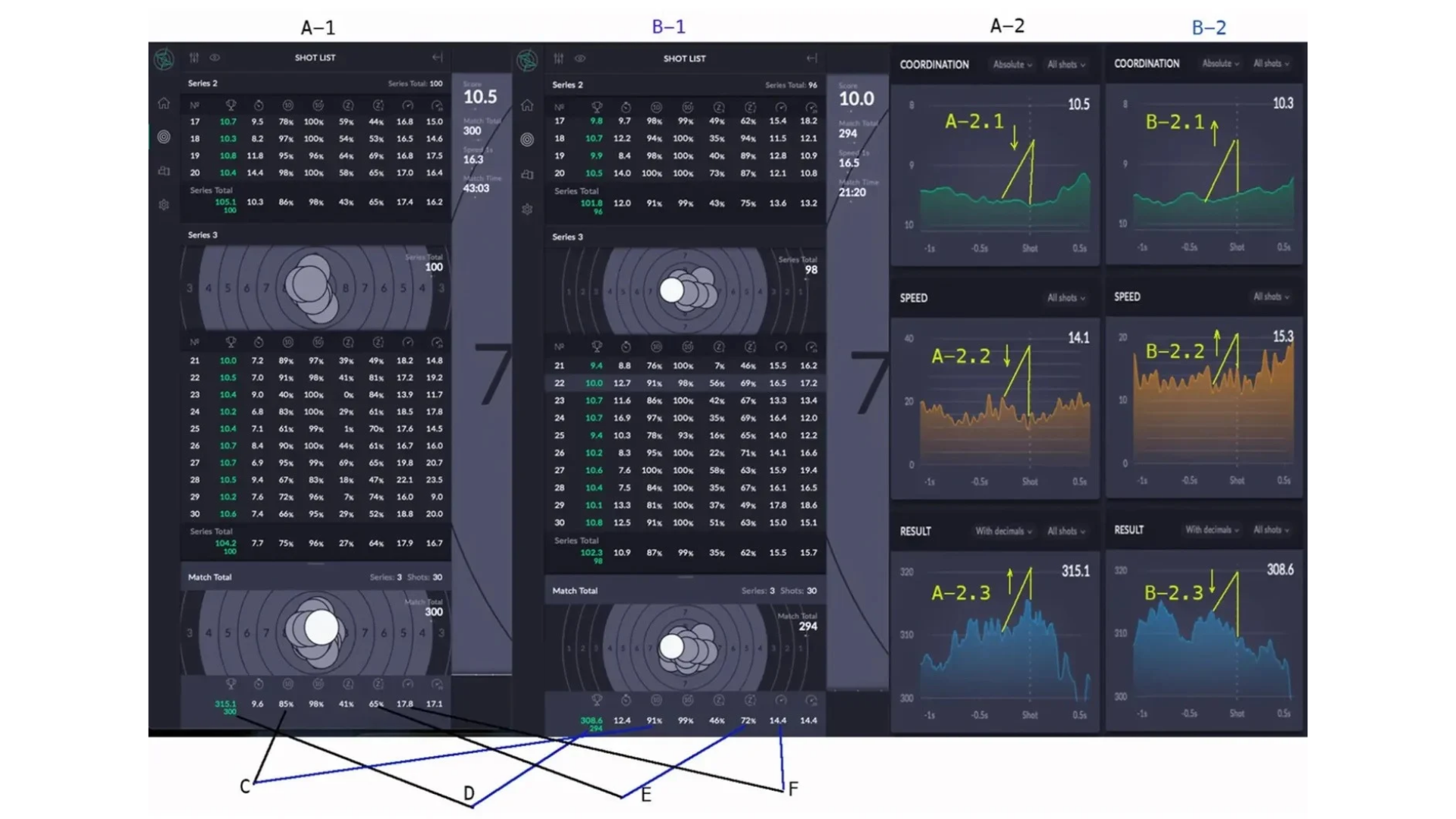
Paradoxes in the Relationship Between Shooting Results and Hold Stability
Better hold stability does not always lead to a better score. Coach Stanislav Lapidus examines why shot execution can matter more than the apparent steadiness of the aim.
Author: Stanislav Lapidus
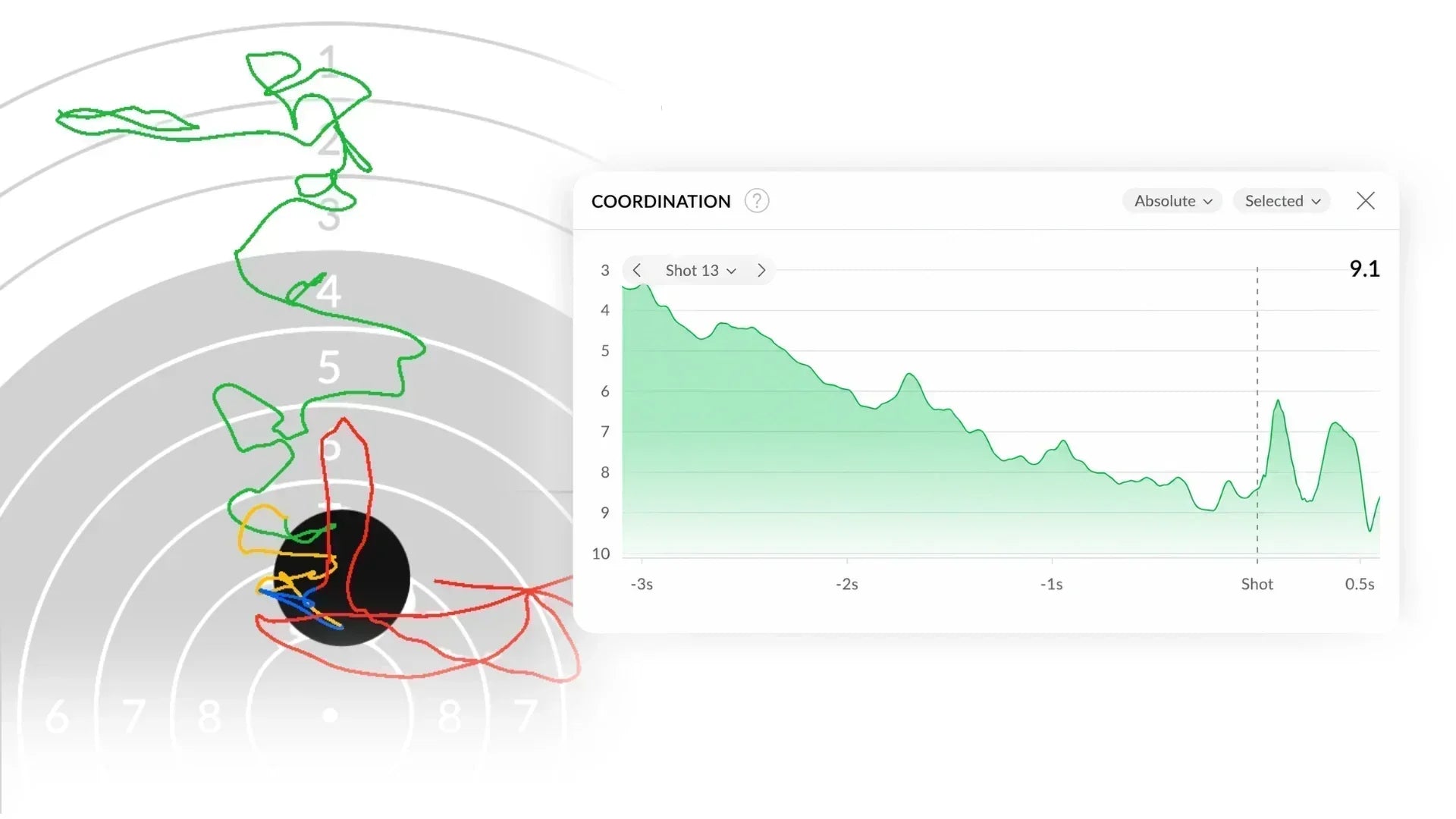
Don’t Chase the Perfect Aiming Trace
A steadier aiming trace does not always lead to a better shot. This article explores how trigger timing, muscle tension, breathing, and shot execution can matter more than simply reducing movement....
The SCATT Training System as the Shooter's Primary Tool for Assessing Hold Stability
Learn how SCATT helps shooters and coaches evaluate movement amplitude, aiming-area location, and aimpoint speed to identify technical errors and improve hold stability.
Author: Stanislav Lapidus

SCATT Indoor Setup Checklist: Target Detection and Calibration
Use this practical checklist to troubleshoot SCATT target detection and calibration indoors. Learn how lighting, target quality, print scale, sensor-to-target distance, focus, alignment, and mounti...
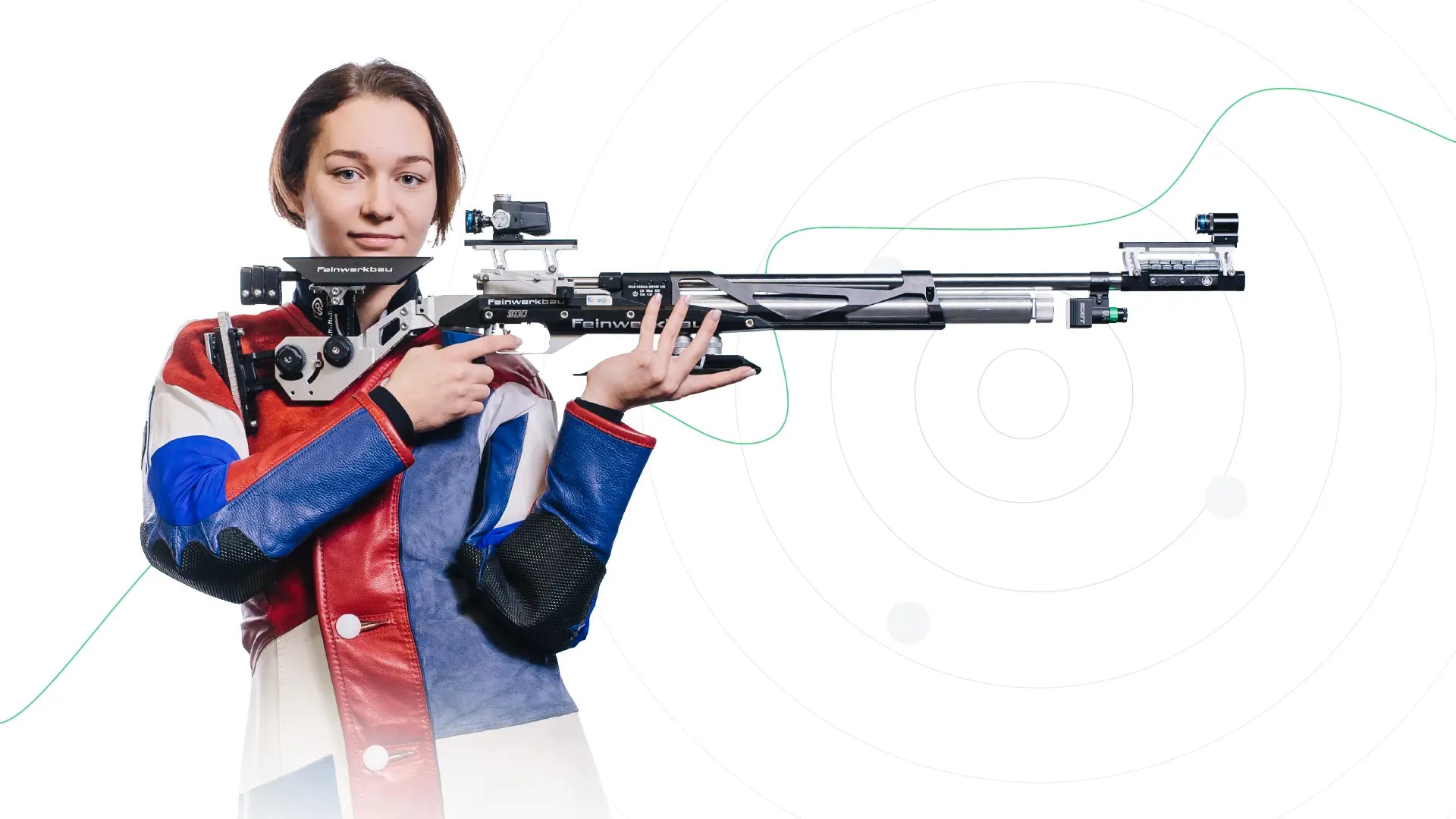
Using the SCATT Training System to Identify Technical Errors in the Coordination of Aiming and Trigger Control
SCATT can reveal technical errors that are difficult to detect during live shooting. This article explains how aiming trace and movement-speed data can help shooters and coaches identify problems i...

ライティングに関する包括的なガイド
Good lighting supports reliable SCATT training and a more comfortable visual environment. This guide explains how flicker affects training conditions, how to check LED lights with a smartphone, and...
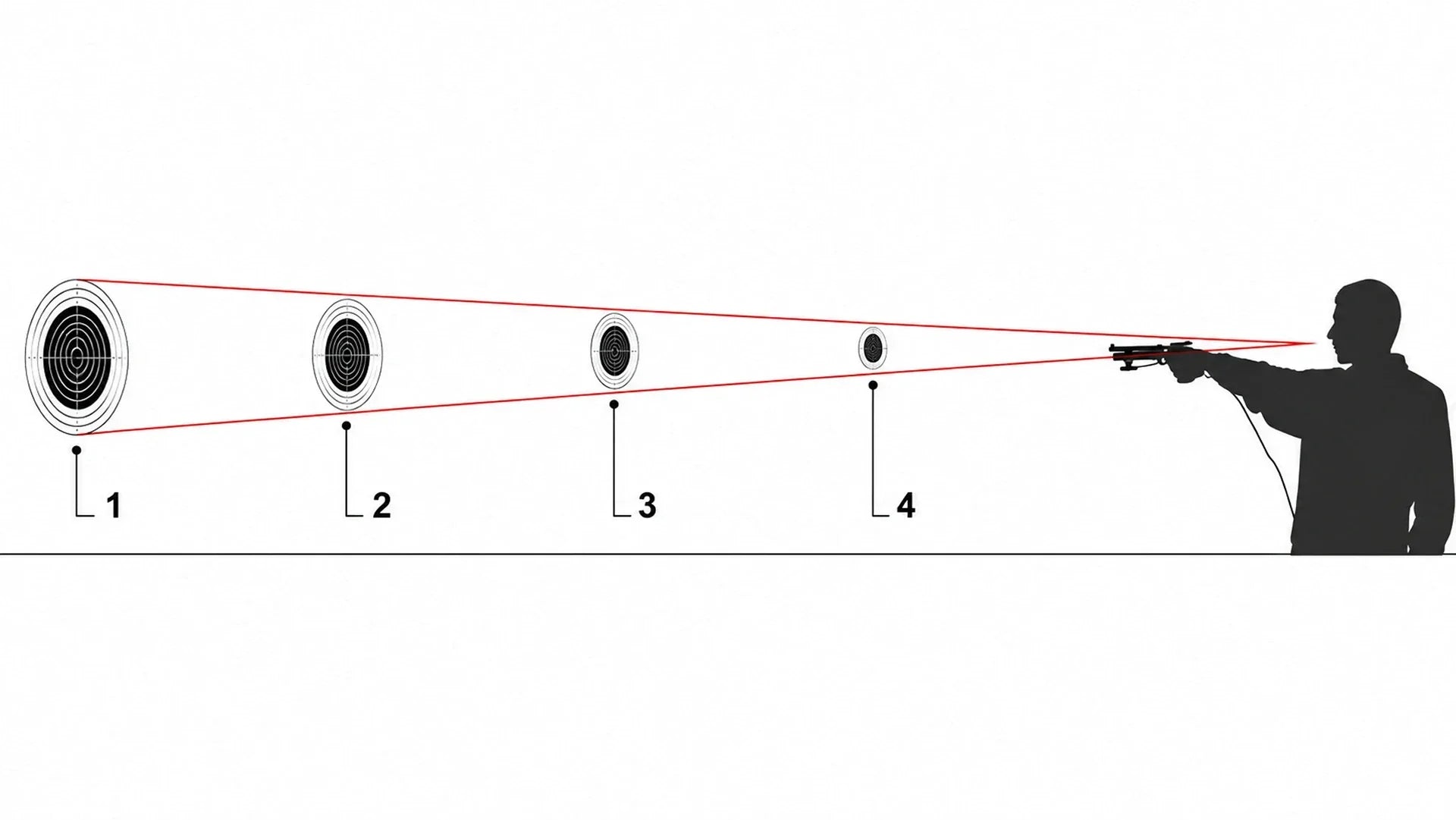
縮小された距離での乾燥練習
SCATT lets shooters train for longer-distance disciplines in limited space by using scaled targets and simulated distances. This guide explains target scaling, sensor alignment, parallax compensati...
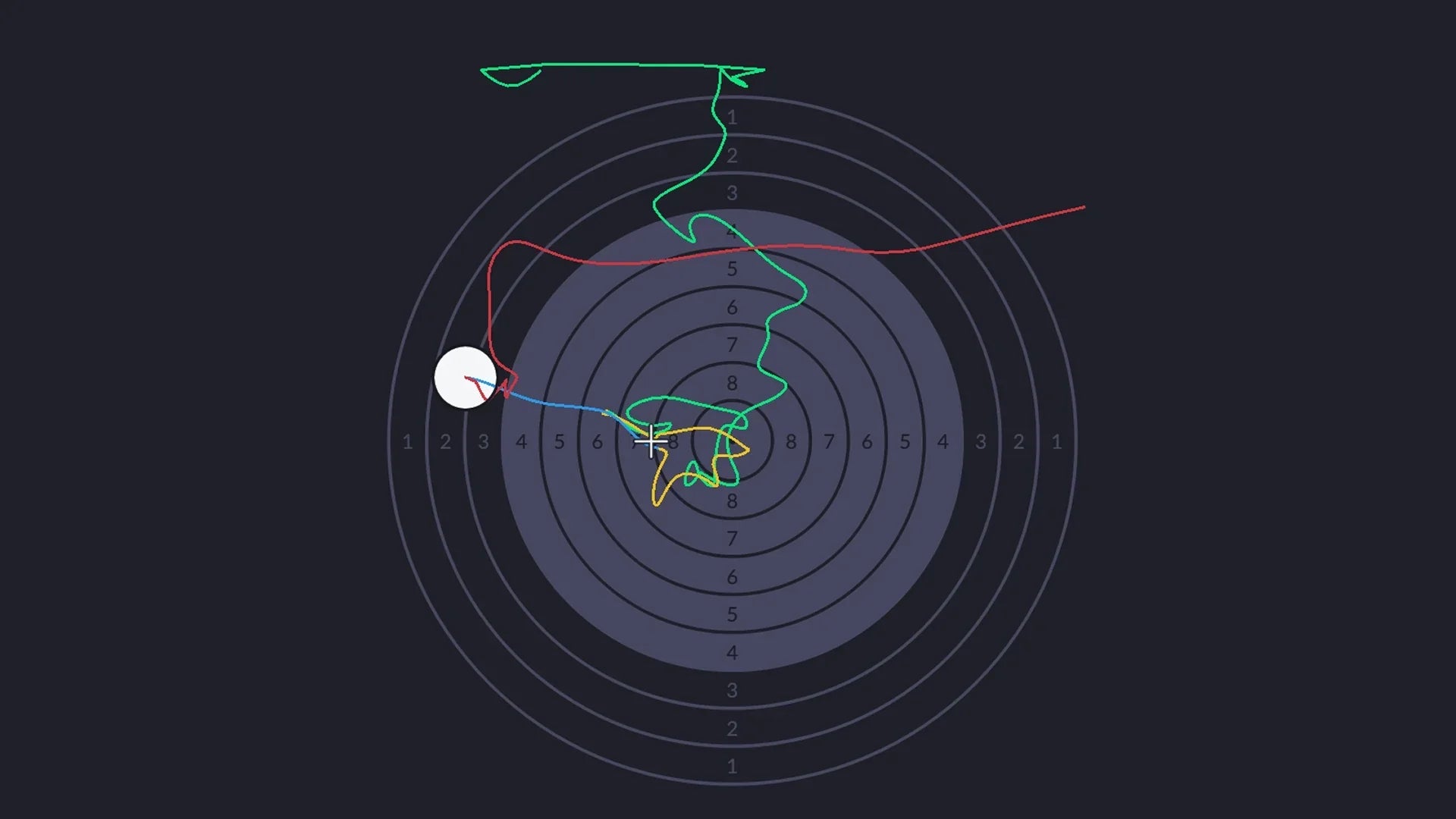
射撃のエラーとそれらが発生する可能性のある理由
SCATT aiming traces can reveal recurring technical patterns before, during, and after the shot. This guide explains how to read the color-coded trajectory and recognize issues such as inconsistent ...